Conférenciers Invités
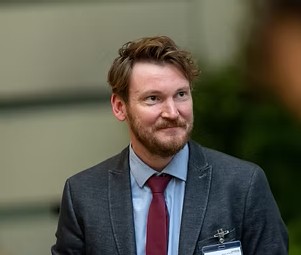
Johannes Broichhagen
Dr. Johannes Broichhagen is a Junior Group Leader at the Leibniz-Forschungsinstitut für Molekulare Pharmakologie (FMP) in Berlin. His group specializes in the development of cutting-edge tools to visualize and manipulate biological processes. His lab combines chemical synthesis, genetic encoding, and bio-orthogonal strategies to achieve precise control over cellular functions. A major focus is the use of genetic tools and engineered probes for advanced cellular imaging, enabling the real-time study of cell signaling, protein dynamics, and receptor interactions. His innovative approaches, including photopharmacology and isotope-based techniques, provide non-invasive ways to explore complex biological systems, bridging fundamental research and therapeutic applications
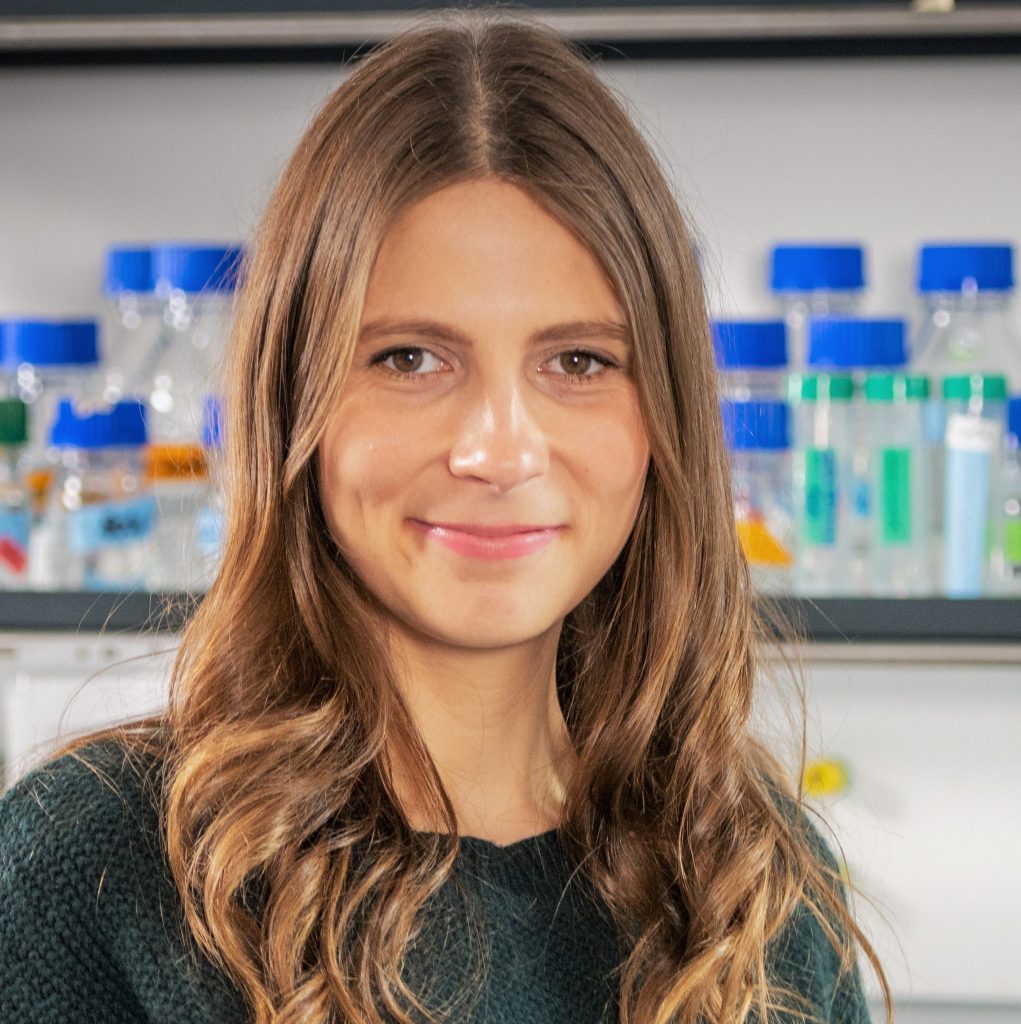
Viktorija Glembockyte
Viktorija Glembockyte leads the Single Molecule Sensing research group at the Max Planck Institute for Medical Research in Heidelberg, where she pioneers the development of nanoscale tools to visualize, detect, and manipulate individual molecules. Her research integrates DNA nanotechnology, single-molecule fluorescence imaging, and photophysics to create modular, highly sensitive sensors and biosensors. By combining these approaches, her lab aims to unravel the intricate dynamics of molecular processes, with a focus on advancing disease research and enabling precise, non-invasive diagnostics
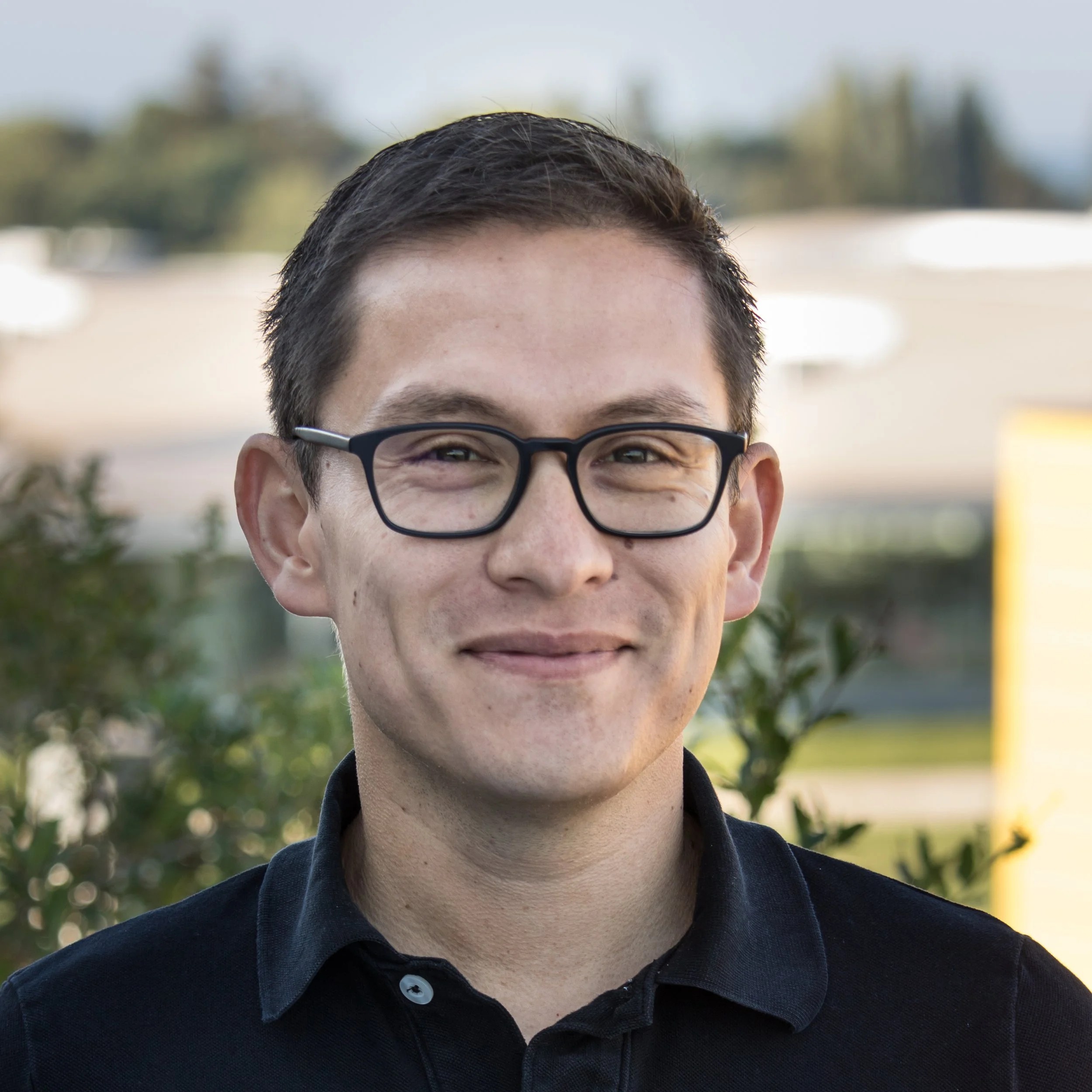
Pablo Rivera Fuentes
Carbocyanine dyes for chemigenetic applications
Pr. Pablo Rivera Fuentes leads the Laboratory of Chemical and Biological Probes (LOCBP) at the University of Zurich, where his research focuses on the development of innovative chemical tools for high-resolution biological imaging. His group specializes in designing targeted photoactivatable probes, photoswitchable dyes, and fluorescent sensors to visualize and manipulate cellular processes, including epigenetic modifications and pathogen detection. By integrating chemical biology, bio-orthogonal strategies, and advanced imaging techniques, his work enables precise, real-time observation of complex biological systems, with broad applications in both fundamental research and biomedical innovation
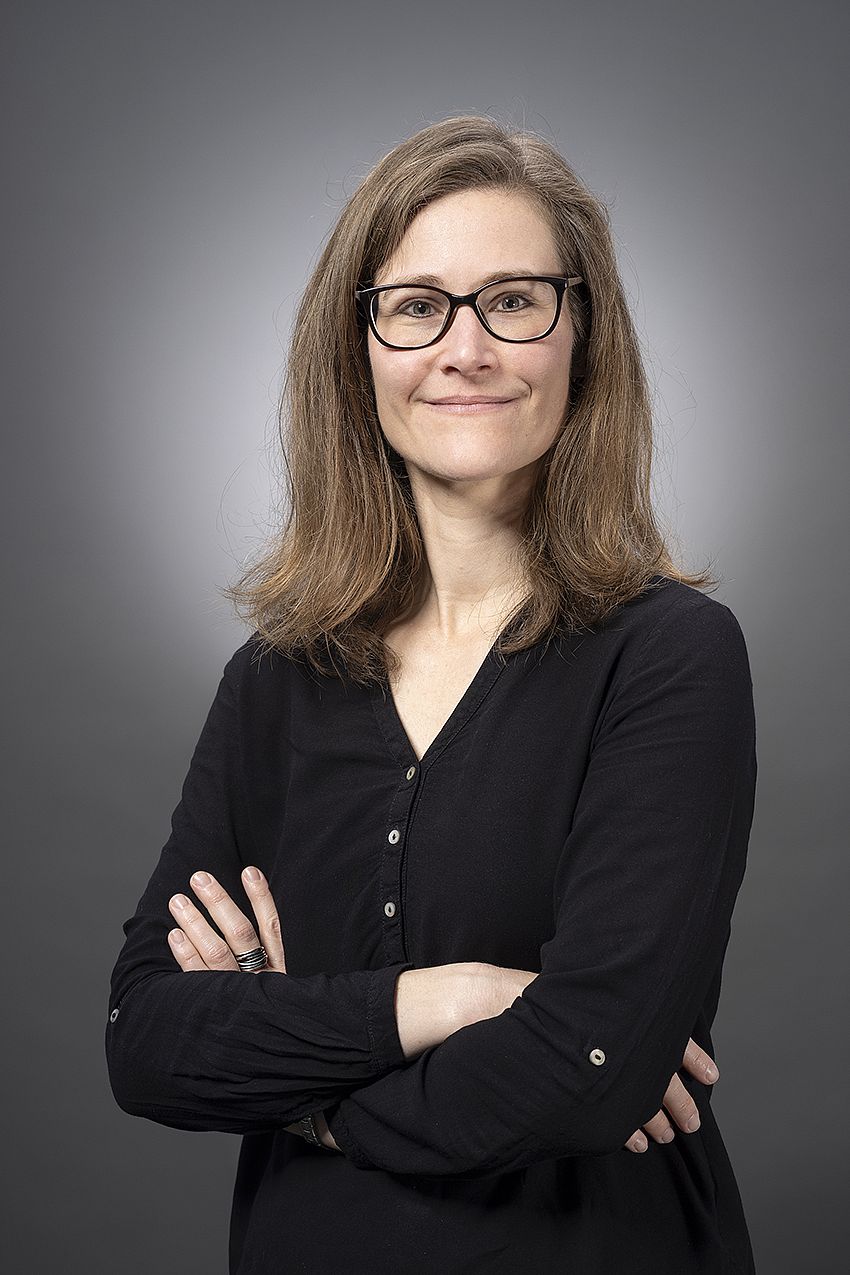
Sonja Schmid
Pr. Sonja Schmid leads the Biomolecular Nano-Dynamics Group at the University of Basel, where her research focuses on unraveling the dynamics of biomolecules at the single-molecule level. Using cutting-edge techniques such as single-molecule Förster Resonance Energy Transfer (smFRET) and nanopore sensing, her lab investigates the real-time behavior of proteins, nucleic acids, and second messengers in cellular signaling. A recent highlight includes the first detection of CRISPR-Cas-produced molecular messengers using single-molecule methods, opening new avenues for understanding and manipulating biomolecular interactions with unprecedented precision